M&A, divestments and MI
Comprehensive and flexible support from initial analyses to due diligence and deal completion for mergers, acquisitions and divestments.

Comprehensive and flexible support from initial analyses to due diligence and deal completion for mergers, acquisitions and divestments.

Supported by disciplined risk assessment, effective integration, and data-driven decision-making, businesses can capture growth, build new capabilities, or free resources for reinvestment.
Problem
The company faces intensifying competition in the product market as well as digital disruptions from new entrants. The service unit experienced rapid growth during the past years. However, without new growth drivers the service revenue and capabilities will reach the limit in the coming years. Therefore, to sustain and accelerate the growth a strategy for digital services must be developed.
Solution
In order to gain a better understanding of external trends, dynamics and best practices from other industries and ecosystem participants were analyzed. To better understand all internal capabilities, share insights and develop a unique competitive position, a massively participative iterative approach was used when developing and fine-tuning the strategy.
Result
The process showed that the path to a successful digital strategy will require changes in internal processes, how services as a business is perceived, and even how the company connects operations between service and products. A key concept was “closing the service loop”, which essentially sought to ensure that existing services would be aligned with their digital counterparts in a mutually supportive way.


Problem
A B2B services company was in the process of focusing its operations onto its key markets. The future of its non-core business units was under assessment. One of the units was facing drastic market changes, and strengthening its competitive position would have required significant investments and high risk.
Solution
Reddal helped assess the strategic fit of the different business units including market assessments and synergy estimations. In addition, valuation and group impact analyses of the business units that were deemed non-core was completed to support potential divestment decisions.
Result
The company had a well-defined portfolio strategy, with a clear underlying value creation logic and well understood synergies. The specific non-core business unit facing a challenging market was successfully divested to a local company that was looking for inorganic growth opportunities.
Problem
The owners of a Southeast Asian construction company had different views on strategy and the development of regional operations. As it was not possible to reconcile the views, it was decided to untie an underlying subsidiary joint venture structure. The issue became then how the assets and operations should be divided between the owners.
Solution
Together with the joint venture parties, Reddal defined alternative management structures of the subsidiary. Financial modeling provided clear outcomes of each alternative for all shareholders. Once a general agreement on the principles how the subsidiary should be split was achieved, work continued with developing commercial terms and facilitating further negotiations among owners.
Result
The subsidiary was taken over by one of the owners, but the solution provided concrete synergies to other affiliated companies as well. The joint venture was thus untied amicably, with each of the parties able to continue their chosen business area unperturbed. The deal and the post merger integration to the new main owner was completed on time and as planned.
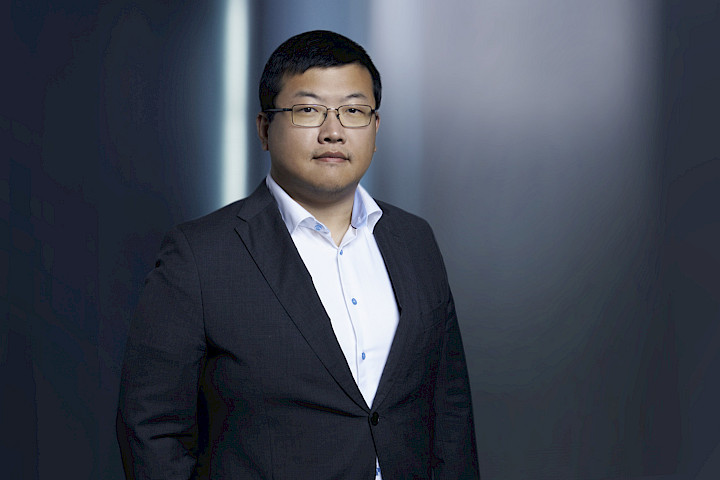
Client Director with solid experience in corporate and business unit strategy, market entry, new business development, and digitization. Currently leading various strategy efforts in energy, telecom, and IT sectors.

Business Developer with experience in corporate financing, strategy, and sustainability. Currently working on financial valuation, liquidity management, net working capital optimization, and sustainability governance for global companies.